
 My account
 FREE DELIVERY For orders over $80
Vaginal Inflammation in Cats
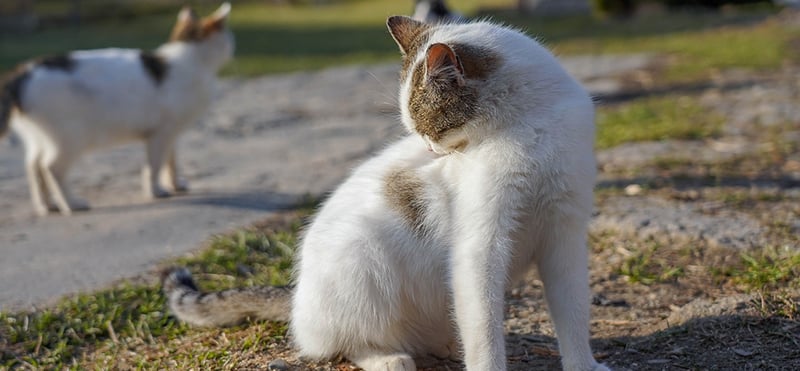
Vaginal Inflammation in cats can be moderately to severely painful for your feline companion; If left untreated it can cause severe Urinary Tract Infection (UTI), and a host of other issues. Known scientifically as Vaginitis, the cause of Vaginitis can be associated with several known triggers. These triggers include UTI, Bacterial infection, cyst in the vagina, trauma, physical deformities of the vagina, and/or foreign objects that have been inserted into the felines vaginal area.
Diagnosing
A proper diagnosis can be preformed by any licensed veterinarian, upon the initial examination. This examination is done to thoroughly look at the cats symptoms and asses the issues the owner is concerned with. For starters the vet will check the cats temperature, degree of tenderness in the abdomen, and what if any discharge is coming from the cats mouth and vaginal area. The next step the veterinarian will undergo, collection of urine from the cats bladder. This can be difficult to do with a cat so often a vet will discuss other alternatives for collecting the urine sample. One such example is the insertion of a needle into the cats bladder, this will allow for a clean sample to be taken; this operation is best handled while the cat in question is under a safe amount of general anesthesia. Once the urine has been collected it will be examined during urinalysis. This will tell the vet if the cat in question has a low or high white blood cell count, the urine will also be used as a culture to detect any pathogens that might be causing this experience with the feline family member. The culture will be used to determine the proper medication needed to combat the bacteria present within the cat. If medication works but the occurrence of vaginitis re-appears, a secondary option may be issued. In this case the vet will operate a scope into the cat to identify any internal abnormalities which could be causing the vaginitis to re-appear. These deformities or abnormalities could be causing bacteria to build up within your cats vagina and cause the inflammation.
Treatment
The treatment for Vaginitis is simple but strict, a vet will recommend the cat has unlimited clean drinking water; this is recommended to dilute the bacteria in the urine. Antibiotics may also be prescribed to fight the bacteria present in the feline urine. If the cat in question is young and has not be spayed before, a vet might "wait and see" to see if the issue resolves overtime, during this "wait and see" period, a vet will still provide treatment for the cat. If the issue does not correct once the feline reaches the age of maturity, the vet might recommend surgery to remove any foreign object that might be causing the issue within the cat; as well as correcting any deformities present. With proper care and treatment, vaginitis should resolve itself within 3-7 days, it is important to carefully monitor your feline health after healing is completed. Any re-occurrence of vaginitis should be reported to your veterinarian and alternative options may be discussed.
Comments
No comments yet. Be the first to share your thoughts.
Leave a comment