
 My account
 FREE DELIVERY For orders over $80
Paralysis in Dogs
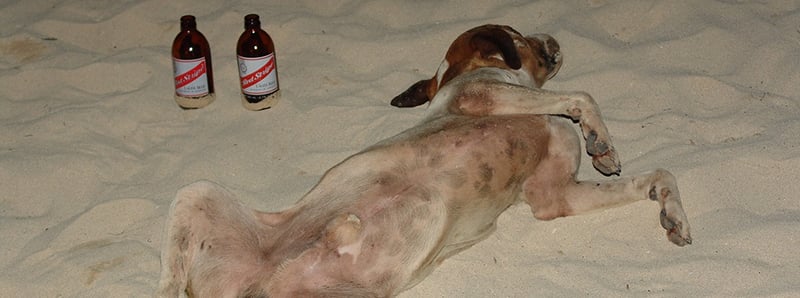
As a pet or dog owner, paralysis is the most devastating thing that can happen to your dog. The dog's inability to walk could mean the end of your good times with your furry buddy, but it must not necessarily have to. Much can be done to take care of a dog that suffers from paralysis, be it partial or full. Canine paralysis is of different types. It can either occur suddenly or develop over time.
Symptoms and Types of Dog Paralysis
Dog paralysis occurs when there is a disruption of communication between the spinal cord and the brain. This may lead to total immobility of the dog, which means total paralysis, while in some instances the dog may only look weak or experience difficulty in moving.
There are three types of dog paralysis. The first type is tetraplegia which affects all the legs of a dog and makes it impossible for the dog to move all the four legs. The second type of paralysis is known as paraplegia. This affects the hind legs, and the dog is unable to move the rear legs. Lastly, a dog may suffer from paresis. This is a partial paralysis condition that affects the dog's movement by making its movement very difficult. The dog can move, but it struggles to do so.
Symptoms of dog paralysis may range from clear signs to subtler signs, depending on the affected area. However, the following signs are the common symptoms of dog paralysis:
- Refusal to stand up or immobility of all legs;
- Use of the front legs to walk while dragging the hind legs;
- Difficulty in walking;
- Pain in the legs, spine or neck;
- Failure to control bowel movements or urination; and
- Constipation.
Common Causes of Dog Paralysis
The ability to know the cause of dog paralysis helps in making the right diagnosis and outlining the most suitable treatment. Below are some of the common causes of dog paralysis:
The first common cause is tick bites. Surprisingly this is the most common cause of dog paralysis. Certain tick species may inject a certain neurotoxin into the dog's bloodstream. The neurotoxin may lead to sudden neuron paralysis leading to sudden paralysis.
The second cause is congenital diseases. There are various conditions in dogs that may expose dogs to paralysis. The main type of this condition is known as Intervertebral Disc Disease (IVDD). It normally affects the breeds of dogs with unusually short legs. When a dog suffers from this type of condition, the nerves running through the spinal cord are pressed by the discs leading to paralysis.
Lastly, paralysis may be caused by bacterial infections. The infections include rabies, distemper, and meningitis among others. They may lead to paralysis by spreading to the dog's brain. This explains why rabies vaccination is a requirement of the law.
Conclusion
Dogs may often survive dog paralysis if given proper care. Paralysis is normally sudden and almost impossible to predict. However, with the help of a veterinarian, it is easier to find out the cause of dog paralysis. Dog owners should also prevent their dogs from being exposed to trauma and accidents which may lead to paralysis.
Comments
No comments yet. Be the first to share your thoughts.
Leave a comment