
 My account
 FREE DELIVERY For orders over $80
Mucus in Cat
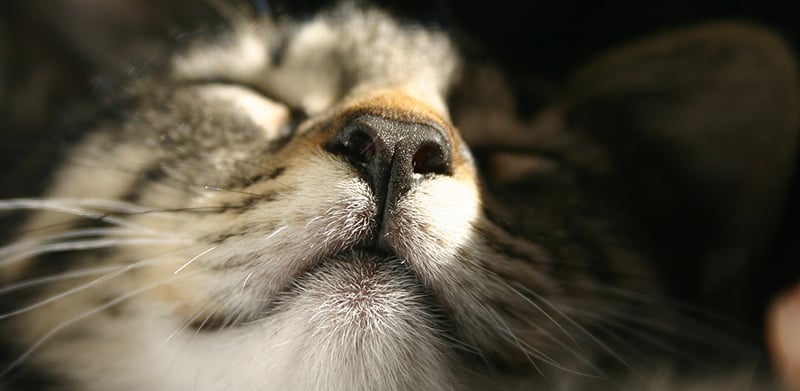
The feline respiratory system is crucial to delivering oxygen to the blood and removing carbon dioxide. Mucus in a cat’s respiratory system can hinder oxygen from passing through the nose and mouth. This may cause blood oxygen levels to become dangerously low. This condition is known as anoxia or hypoxia. A cat may become seriously ill from the lack of oxygen in the bloodstream, so any mucus condition in a cat should be taken seriously.
Kittens and older cats are most prone to respiratory diseases. Young cats may have a weak immune system which inhibits their ability to filter the air. This makes them more vulnerable to air contaminants. Older cats may have difficulty filtering particles that pass through the nose or mouth, such as dust, dirt or pollen, which can damage the respiratory system.
Mucus is a clear, thick material the lines the cat’s respiratory system. Normally, airborne particles are caught in the mucus lining the nasal passages. The larger particles are caught by the mucus, then carried down the throat where the cat can cough them up or swallow them. In a healthy cat, the immune system will destroy the particles.
When an abundance of mucus is present, check for the color of the mucus. Healthy mucus is clear. If the mucus has a brown, green, red or yellow tint, this may be a sign your cat has a respiratory disease. Mucus can stuff up one or both nasal passages which make it difficult for the cat to breathe. Too much mucus can reduce a cat’s sense of smell causing it to lose its appetite and thus suffer from weight loss.
Mucus Symptoms
- Difficulty breathing
- Shallow breath
- Shortness of breath
- Dry or wet cough
- Nasal discharge
Causes of Excessive Mucus
There are mucus related diseases that can occur in cats that are often caused by toxic substances, allergens, parasites, fungal, bacterial or viral infections. If your cat has lived in a shelter or been to a boarding facility recently, she may be at a higher risk for developing a mucus infection. In addition, cats that are housebound in a tobacco-filled home or live in unsanitary conditions will be more prone to excessive mucus to filter the toxins.
Diagnosis of Mucus
A diagnosis by a veterinarian may be in order if you determine your cat has a mucus infection. The vet can use a scope to view the airways, nose, and throat to determine if the respiratory problem is upper or lower. Share the symptoms you have noticed to provide the veterinarian with information to help make a diagnosis. Diagnostic tests may be needed to pinpoint the problem. Some of these tests may include:
- Swabs to determine infection type
- Blood tests
- Blood gas analysis
- Obtaining a pulse rate
- Chest x-rays
- Echocardiograph for heart health
- Biopsy if a tumor is present
Recovery time will depend on the condition the cat has contracted. Be sure and follow your vet’s instructions and administer all medications as prescribed. It is important to provide your cat with access to fluids, the recovery area should be clean, and the air fresh. Following these directions should clear up your cat’s mucus problem and allow her to breathe easily once again.
Comments
No comments yet. Be the first to share your thoughts.
Leave a comment