
 My account
 FREE DELIVERY For orders over $80
Leg Injury in Cats
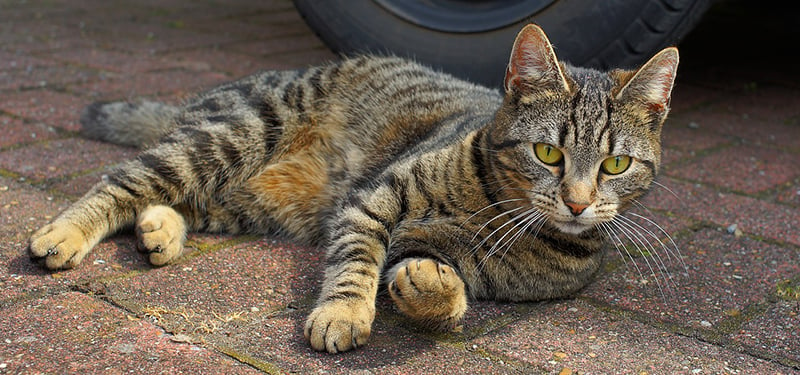
As a devoted cat owner, your primary concern is that your cat is healthy and happy. What do you do when your feline friend develops a leg injury? There are many conditions that could contribute to a leg injury. Some of these may include muscles, bones, joints, nerves or skin conditions.
There may be an obvious reason as to your cats’ condition such as a fall from a window, a fight, or a hit from a moving vehicle. If you have ruled out the above, there are steps you can follow to determine if you need to seek the advice of a veterinarian. A serious injury will get worse without proper medical attention.
First, gently examine the affected limb. Experienced veterinarians suggest that if there isn’t obvious damage, the situation may not be urgent. If the cat does not seem to be in distress or in too much pain, keep an eye on her for a day or two. Wait and see if the symptoms subside.
If any limping or leg injury in a cat is accompanied by fever, pain on contact, reluctance to move or eat, or a change in breathing, these may be symptoms that the condition may be serious. Limping is often due to a soft tissue injury or a strained muscle or ligament. An x-ray can often determine the cause of the problem. Additional reasons for pain in the limbs can include:
- Arthritis – a common problem for cats of any age, but is more prevalent in older cats. Arthritis is hard to recognize as the symptoms are often subtle. Cats with arthritis have difficulty performing everyday functions.
Limping is common and the cat’s physical activity may be greatly reduced.
- Ingrown Toenails – while you may not be able to see an ingrown toenail, this is a common cause for a leg injury. Cat breeds that have long hair make it difficult to find and diagnose this problem. If you discover this problem, the vet will most likely remove the nail from the cat’s paw pad, wash the wound, and prescribe antibiotics and pain medication.
- Neurological Disease or Cancer – Although not common, a leg injury in a cat may be caused by disease or degeneration. If a tumor occurs in a leg or foot area, this could cause the lameness. Certain neurological diseases result in pain similar to a slipped disc and will manifest itself as a limp or lameness. Surgery or steroids may be treatments for these types of illnesses and require treatment from a veterinarian.
- Outdoor Hazards – If your cat plays outdoors and comes back inside with a leg injury, check for thorns. Cacti, as well as certain types of grass such as foxtails, have thorns and bristles that can penetrate the cat’s skin. Inspect the painful area and if you can not remove the irritant, bring your cat to the vet.
If your cat has a leg injury, she will most likely be limping and in pain. It is up to you to analyze the situation and use your best judgment to treat the condition. Don’t assume the pain will resolve itself on its own. Assess the situation and make an informed decision on the best steps to resolve the leg injury.
Comments
No comments yet. Be the first to share your thoughts.
Leave a comment